
Global Sourcing Strategies: Building Competitive Advantage Through Smart Supply Chain Decisions


Global sourcing refers to purchasing goods or services from suppliers in other countries. Organizations use it to reduce costs, expand supplier options, and access capabilities that may not be available locally.
This article clarifies what global sourcing involves, reviews the benefits and trade-offs, and outlines practical steps to implement it in a controlled, measurable way.
What is Global Sourcing Explained
Global sourcing is the purchase of goods or services from suppliers in other countries. It’s about not being so local, despite all the stuff we have around us, but rather about looking for the best places to get what our businesses need elsewhere.
While some people conflate this with outsourcing, they’re not the same thing. Outsourcing generally involves offloading a business process to an outside firm, whether domestic or foreign. But global sourcing, of course, is aimed directly at procurement, finding and buying goods or services worldwide.
The practice has grown explosively over the last few decades. We have watched companies move from conventional sourcing to integrated global sourcing strategies. Why? Because the world got smaller. It was easier to communicate with international suppliers thanks to technology.
Both faster and, often, cheaper shipping was brought. And to be honest, the cost differences between domestic sourcing and sourcing from other countries had become too significant to overlook.
There are a variety of motivations for global sourcing. One is cost savings. In some sourcing regions, companies can generally find lower labor and material costs. But it’s not just a question of cost. In some cases, global sourcing may involve sourcing higher-quality products, accessing specialized skills or global talent that are not available locally, or securing raw materials that are not available in your country of origin.
The Scope of Global Sourcing
The reach of global sourcing extends well beyond simply finding the lowest-cost supplier in a foreign country; it also affects nearly every aspect of how a business is run.
Global sourcing activities include everything from market hunting to identify potential sourcing locations to assessing international suppliers, negotiating contracts on the other side of the world, logistics management, and even supply chain management, while keeping up with people you might only see in person once or twice a year.
When you source abroad, it’s not just a sourcing decision; you’re committing to managing suppliers worldwide, working across multiple time zones, and navigating various regulations, currency fluctuations, and global shipping. It’s impacting your entire supply chain and, at times, even your overall business strategy.
Global sourcing may also include establishing a cross-country procurement strategy. Some firms centralize purchasing across their far-flung offices, with a single team making all purchase decisions. Others have localized visions; there is no single correct answer, which is both liberating and somewhat annoying.
Benefits of Global Sourcing
Given all the complexity, why do companies pursue global sourcing? Because when it works, the benefits can be substantial. Let’s break down the main advantages.
Cost Savings and Competitive Advantage
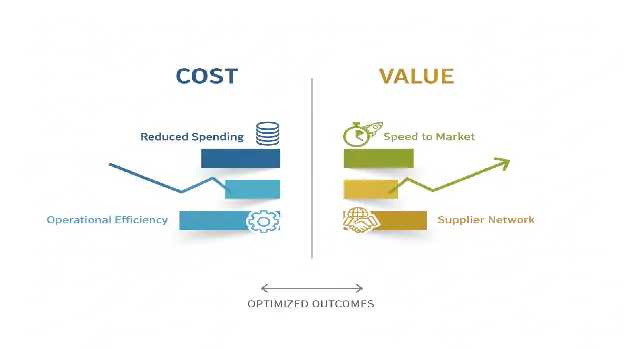
Many sourcing areas have a much lower price point or lower labor/manufacturing/raw material costs. A product that costs $50 to make locally might cost only $20 to purchase from an international supplier. That difference can enable you to compete on price or bolster your profit margins.
However, it is important to keep in mind that the competitive advantage of global sourcing isn't just about cheap labor; it's more about your ability to deliver products your competitors can’t or to beat them to market by discovering a supplier with better capabilities.
Access to Expertise and Global Talent
Sometimes you need something specific. A specific manufacturing process, material, or know-how, and chances are these aren’t available in your own country or not at the scale you need. International sourcing gives a company access to the skills and knowledge of other nations.
Companies often find suppliers that have refined a specific manufacturing process over generations. You can’t replicate that level of expertise overnight at a local facility.
Supply Chain Resilience and Risk Management
This may seem counterintuitive at first. It makes the supply chain more complex because you are sourcing from multiple countries. How does that make the supply chain more resilient? It's, well, not putting all your eggs in one basket.
And if you get all your widgets from local suppliers and there’s a regional disruption, a natural disaster, or a labor strike, well, the game is over. But if you’re shopping across multiple countries, you do have choices.
And of course, supply chain disruptions can occur in global supply chains. But when properly managed, having suppliers across various sourcing regions can enhance supply chain resilience.
Market Expansion and Innovation
When you begin working with international suppliers, you will be exposed to global trends and innovations that far exceed those you would find at home. You learn about new materials, techniques, and product potential. By doing so, you may inspire an innovation within your own product or service.
Building relationships with suppliers in other countries can sometimes open doors to selling your products in those markets; It’s global networking.
Challenges of Global Sourcing
Let's get real about the challenges in global sourcing, because there are plenty. And honestly, these are the things that trip up even experienced companies.
Logistics and Lead Times
Shipping internationally takes time. A lot of time, sometimes. And it's unpredictable. Unforeseen port delays, customs issues, shipping container shortages, and weather disruptions. All can throw off your carefully scheduled presentations.
This matters because maritime shipping is still the backbone of global trade. The World Bank notes that more than 80% of goods are transported by sea, so when ports or routes get disrupted, the impact spreads fast across supply chains.
Plus, the logistics get complicated. You're dealing with international trade regulations, customs documentation, duties, and tariffs; that’s a lot to handle, and mistakes can be expensive.
Quality Control and Standards
It’s hard to pop in to see your supplier if they’re on the other side of the world. Quality control becomes harder. Quality standards also vary by country. Some areas have strict rules, while others do not. You need checks in place to ensure the goods and services you receive meet your standards every time.
Here’s where most global sourcing efforts break down. They found an excellent price, placed an order, and received a substandard product. By then, it is too late and costly to repair.
Currency Fluctuations and Financial Risk
When you purchase in foreign currencies, you are exposed to exchange rate risk. A deal that is wonderful today may not be nearly as wonderful in six months, assuming currency values change significantly. This is a true exposure that requires management, typically through hedges or contract language that addresses the impact of substantial currency fluctuations.
Political and Economic Instability
This is the wildcard. Political changes, trade wars, regulatory changes, and a downturn in a supplier’s economy. It’s things you can’t fully control, but they will have a significant impact on your global sourcing strategy. This has been illustrated by trade tensions among major economies, arbitrary tariff announcements, and geopolitical disputes.
The Sourcing Process
So what does the actual global sourcing process look like? Here's a general framework, though your specific steps might vary. This simple, step-by-step table gives you the full workflow at a glance, from defining what you need to improving performance after the supplier is live.
| Step | Stage | What you do |
|---|---|---|
| 1 | Identify the Need | Define exactly what you’re sourcing. Include quantity, quality standards, timing requirements, and budget constraints. |
| 2 | Market Research | Research sourcing regions and suppliers. Decide which countries make sense and what suppliers operate there. |
| 3 | Supplier Identification and Screening | Build a shortlist. Screen for basic qualifications, financial stability, relevant experience, capacity, and certifications. |
| 4 | Request for Proposal/Quotation | Send detailed requirements to qualified suppliers. Collect proposals or quotes for comparison. |
| 5 | Evaluation and Selection | Compare suppliers on price, quality, delivery capability, financial stability, and cultural fit. Visit top candidates if feasible. |
| 6 | Negotiation | Negotiate price plus payment terms, quality standards, delivery schedules, and what happens if problems occur. |
| 7 | Contracting | Put everything in writing. Use clear contracts that set expectations and protect both parties. |
| 8 | Implementation and Transition | Start working with the supplier. Manage onboarding closely with clear process communication and early issue resolution. |
| 9 | Ongoing Management | Track performance, communicate regularly, solve issues fast, and strengthen the working relationship. |
| 10 | Continuous Improvement | Look for ways to improve quality, reduce costs, and shorten lead times. Collaborate with suppliers on improvements. |
Building a Successful Global Sourcing Strategy: What Actually Works
So how do you navigate all this? How do you build a successful global sourcing strategy that captures the benefits while managing the risks? Here are some approaches that actually work in practice.
Start with Clear Objectives
Before you begin the process of finding suppliers in a foreign country, or even within your own country, you need to clearly define what you expect for success. Is it cost reduction? Access to specific materials? Innovation? Building supply chain resilience? Your objectives will determine every aspect of your global sourcing strategy.
And be realistic. When it comes to global sourcing, if you’re new to the game, we would suggest not trying to revolutionize your entire supply chain overnight. Start with one product category or one region. Learn. Then expand with time.
Do Your Homework on Sourcing Regions
Sourcing is not the same everywhere. Each area has its pros and cons. China is home to a vast manufacturing capacity and infrastructure. Vietnam has been emerging as a low-cost manufacturing base with competitive labor costs.
Eastern Europe is attractive for its proximity to Western markets and its competent technical skills. India is known for its strong IT and business process services.
Look into the regions that are a good fit for you. Think about labor costs, infrastructure, political stability, proximity to your markets, and the regulatory climate.
Invest in Supplier Relationships
This is big, and, to be honest, a lot of companies don’t quite get it right. Your overseas suppliers are not just vendors you buy from. They're partners in your success. Invest in your relationships with them, and you’ll get better communication, more flexibility when you need it, and higher quality.
Physically visit suppliers where you can. Understand their operations. Stay in touch, except when you have an order to place. If they receive respect and fair treatment, they will work for you. It’s simple, but it really matters.
Implement Strong Risk Management
An effective global sourcing strategy requires solid risk management. This means diversifying your supplier base so you're not dependent on a single supplier or country. It means having backup plans for when things go wrong. It means monitoring geopolitical and economic situations that could impact your supply chain.
Contract management is part of this as well. Your contracts with international suppliers should address quality standards, delivery timelines, payment terms, procedures for handling disruptions, and dispute resolution.
Use Technology and Platforms
There are sourcing platforms that help you find and vet international suppliers, manage communications, and track shipments and documentation. These resources can save valuable time in the international sourcing process.
Visibility, too, can be enhanced by technology. Knowing where your goods are in the supply chain, receiving alerts on potential delays, and tracking quality metrics. These functions make it easier to manage multinational operations.
Develop Internal Expertise
Global sourcing requires skills. Negotiation skills. Knowledge of international trade regulations. Experience of different markets and cultures. Project management capabilities. Many of these companies don’t realize how much in-house skill they need to develop to make global sourcing work.
For some companies, this could involve retraining, hiring experienced international procurement professionals, or engaging consultants with expertise in global sourcing on a consulting basis. Not because you can wing it.
Global Sourcing Trends: Where Things Are Heading
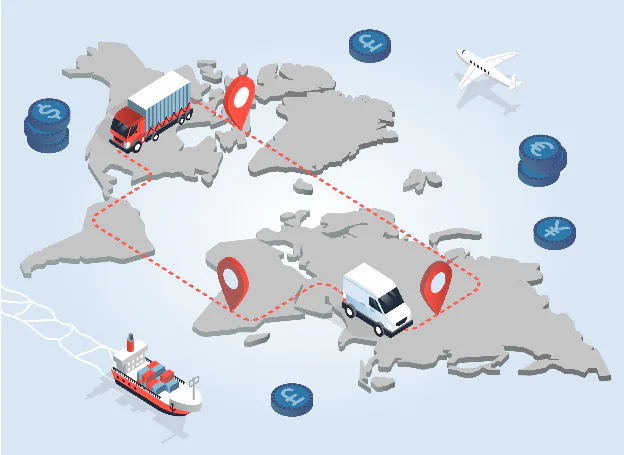
They say that the global sourcing landscape never sits still. And honestly, that's a fair assessment. The way companies approach international procurement continues to change, and the shifts we're seeing right now are larger than most. So, what exactly is shaping things? Let's get into it.
#1. Supply Chain Resilience Is Now a Big Deal
For a long time, global sourcing was all about finding the cheapest option. Get the lowest price, sign the deal, move on. Then everything fell apart. We're talking pandemic shutdowns. Shipping container shortages. Geopolitical tensions disrupted entire trade routes.
Companies that built their sourcing around a single low-cost region were burned. Badly.
And that's precisely why resilience has moved to the top of the priority list. More companies are now spreading their suppliers across different regions, keeping extra stock on hand, and investing in systems that help them spot risks before they blow up.
The lesson here is simple. The cheapest supplier isn't always the best one, not if it leaves you stranded the moment something goes wrong.
#2. Sustainability and Ethical Sourcing
It's no longer just about moving products from one place to another. Customers want to know how those products were made. Regulators want proof that your suppliers aren't cutting corners. And investors are paying closer attention to environmental impact than ever before.
That means companies now have to look into labor practices at supplier sites, the environmental cost of production and shipping, and the carbon footprint of their sourcing choices.
Does all of this make global sourcing harder? You bet it does.
But ignoring it isn't really an option anymore. Sustainable and ethical sourcing has gone from something that was nice to talk about to something that's flat-out required.
#3. Digital Transformation
You'll also notice that technology is changing the game in a big way. AI and machine learning are being used to find suppliers and assess risks. Blockchain is being explored for supply chain transparency. And digital platforms are making it easier than ever to connect with international suppliers.
But here's the interesting part.
These tools aren't just for the big corporations anymore. Smaller companies – the ones that never had the resources to manage complex global supply chains – can now access the same technology. It's opening doors that were shut tight just a few years ago.
#4. Regionalization
Now, don't get us wrong. Global sourcing isn't disappearing. But the strategy is shifting.
Instead of sourcing everything from the single cheapest location on the planet, companies are building supply hubs closer to their major markets. The idea is to retain the benefits of global scale while remaining flexible enough to respond quickly to changes in local demand.
Some people call this "glocalization," combining global reach with local responsiveness.
And after the supply chain disruptions of the past few years, it's not hard to see why this approach is gaining traction.
The Future Is Both Global and Local
The procurement and sourcing world keeps changing by the day. What worked five years ago might not cut it today. And what works today could need a fresh coat of paint by tomorrow.
The companies that get the most out of global sourcing are the ones that stay on their toes. They keep learning, keep adjusting, and, most importantly, they treat their international suppliers as real partners rather than just cheaper alternatives.
Whether you're just getting started with global sourcing or you've been at it for a while and want to tighten things up, the core principles remain the same. A clear strategy. Strong relationships. Solid risk management. And a commitment to getting better over time.
Simple enough on paper. But pulling it all together in practice? That's where things get tricky.
This is why it helps to have the right people in your corner. Firms like ChinaSource, for instance, specialize in helping companies find their footing in the global sourcing space, from identifying the right suppliers to managing those relationships and mitigating risks along the way.
Here's the reality. Most companies already engage in some form of global sourcing. The question isn't whether you should be doing it. The question is whether you're doing it well.
When it's handled right, the payoff goes far beyond just saving money. We're talking about innovation, resilience, and the capabilities that give you a real edge over the competition.
Frequently Asked Questions
1) What is global sourcing, and how is it different from outsourcing?
Global sourcing means you buy goods or services from suppliers in other countries as part of your procurement strategy. You do it to lower costs, access skills, secure materials, or increase supply options.
Outsourcing means you hand off a business process or function to another company, which can be local or overseas. You can outsource without global sourcing, and you can global source without outsourcing.
2) What are the biggest risks in global sourcing, and how do you reduce them?
The biggest risks usually come from quality drift, long lead times, compliance issues, and currency swings.
You reduce them by doing four things:
-
Vet suppliers hard: check capacity, certifications, references, and financial stability.
-
Lock specs in writing: clear quality standards, test plans, and acceptance criteria in the contract.
-
Build redundancy for critical items: use multi-sourcing or keep a qualified backup supplier.
-
Plan for logistics and FX: realistic lead times, buffer stock for critical SKUs, and contract terms that address currency moves.
3) How do you choose the right sourcing region and suppliers for your product?
Start with your objective, then match regions and suppliers to it. If you want the lowest unit cost, you will weigh labor and material costs more. If you want speed, you will weigh proximity, shipping reliability, and customs complexity more.
For supplier selection, focus on:
-
Fit to spec: proven ability to meet your technical and quality requirements
-
Delivery performance: lead time history and on-time shipping
-
Compliance: trade documentation, product standards, and audit readiness
-
Communication and accountability: clear escalation path and regular performance reviews