
How to Catch Bulk Quality Problems Before Shipment?

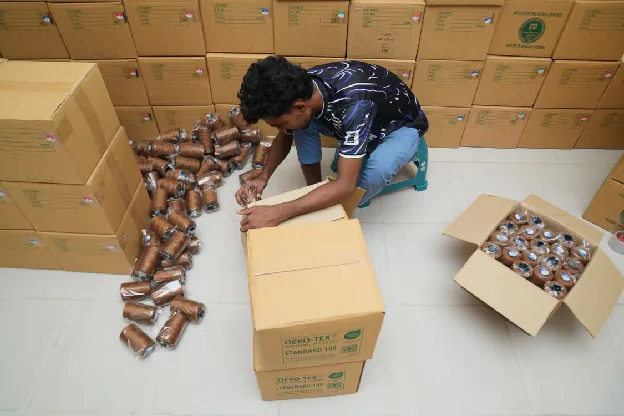
A pre-shipment inspection is the last checkpoint before a container leaves the factory floor. Skip it, and a bulk order with even a small defect rate can turn into thousands of returned units. Catching problems now — before goods hit international freight — saves money, time, and a client relationship. Here's the deal: this guide walks through the exact steps a sourcing team or quality manager should follow to catch bulk defects before shipment, from setting the sampling plan to signing off on final release.
Before You Start
You'll need a few things in place before an inspector ever walks onto the production floor.
- A confirmed purchase order with quantities, specs, and tolerances
- An approved reference sample (sometimes called a "golden sample")
- An agreed AQL sampling plan with the supplier
- A written inspection checklist covering function, appearance, packaging, and labeling
- Visibility into the factory's production schedule and completion date
Without these, an inspection turns into guesswork. Not even close to reliable.
Step 1: Set the Inspection Standard and Sampling Plan
Before anyone opens a carton, agree on how many units get checked and what "pass" actually means. Most buyers use statistical sampling based on the Acceptable Quality Limit (AQL) standard, which sets sample sizes and defect cutoffs by lot size. This isn't optional paperwork — it's the backbone of every objective inspection decision.
Choosing an AQL Level
A common setup for general consumer goods is AQL 2.5 for major defects and AQL 4.0 for minor ones. For a 5,000-unit order of kitchen tumblers, that typically means pulling a sample of around 200 units and accepting the lot if defects stay under a set threshold.
Defining Critical, Major, and Minor Defects
Write down what counts as critical (safety risk), major (affects use), and minor (cosmetic only) before inspection day. If this step gets skipped, expect arguments on the floor over whether a scratch is "minor" or "major" — and that argument always favors the factory, not you.
Step 2: Confirm Booking and Timing at the Factory
Schedule the inspection when production hits roughly 80% completion, not before. Inspecting too early means checking units that don't represent the full run; too late leaves zero time to fix problems before the ship date. For a 10,000-unit order, that's the point where at least 8,000 units are finished and packed into export cartons.
Getting this timing wrong is one of the most common — and most expensive — mistakes in the whole process. A factory that reports "ready for inspection" three days before the vessel cutoff has left you no room to negotiate a rework.
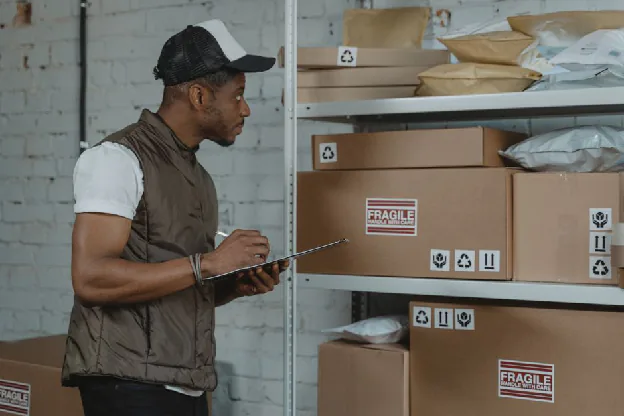
*Photo by Tima Miroshnichenko on Pexels*
Step 3: Run the Pre-Shipment Inspection at the Factory
This is the core event. An inspector physically pulls cartons at random from across the finished lot, opens them, and checks units against the approved sample and checklist. Skipping randomization is the single fastest way to get a false "pass."
On-Site Sampling Procedure
Pull cartons from different pallets, different layers, and different corners of the warehouse — not just the stack nearest the door. On a 10,000-unit run stored across 40 pallets, sampling only from the first five pallets tells you almost nothing about the other 35.
Documenting Defects with Photos and Measurements
Every defect found needs a photo, a measurement (if dimensional), and a defect code tied to the checklist. A missing screw, a paint mismatch, a seam that's 3mm off spec — all of it gets logged, not just described. Vague notes like "some quality issues" are worthless when you're negotiating a rework with the factory later.
Step 4: Check Packaging, Labeling, and Consolidation
Product defects aren't the only thing that can sink a shipment. Wrong barcodes, mismatched cartons, and incorrect country-of-origin labels can hold a container at customs just as effectively as a broken product.
Labeling Accuracy Checks
Scan barcodes against the master carton list and confirm they match the PO. A mismatch rate of even 1 in 50 cartons is enough to trigger a customs hold or a retailer chargeback at destination.
Consolidation and Carton Marking
If multiple SKUs are being consolidated into one shipment, verify carton marks (SKU, quantity, weight, dimensions) against the packing list line by line. Custom consolidation projects fail most often here — not on the product itself, but on paperwork that doesn't match what's actually inside the box.
Step 5: Review Findings and Decide Go/No-Go
Once the sample's been checked, compare total defects against the AQL cutoff table agreed in Step 1. This is where the inspection either protects you or gets waved through under deadline pressure.
| Sample Size | AQL 2.5 Accept | AQL 2.5 Reject |
|---|---|---|
| 125 | 7 | 8 |
| 200 | 10 | 11 |
| 315 | 14 | 15 |
*Example cutoffs based on general AQL sampling tables; actual figures depend on the specific inspection level and lot size chosen.*
If the sample exceeds the reject threshold, three options remain: full rework, partial rework and re-inspection, or rejection of the lot. Shipping anyway — because the vessel is booked and the client is waiting — is how a single failed inspection turns into a container full of returns three weeks later.
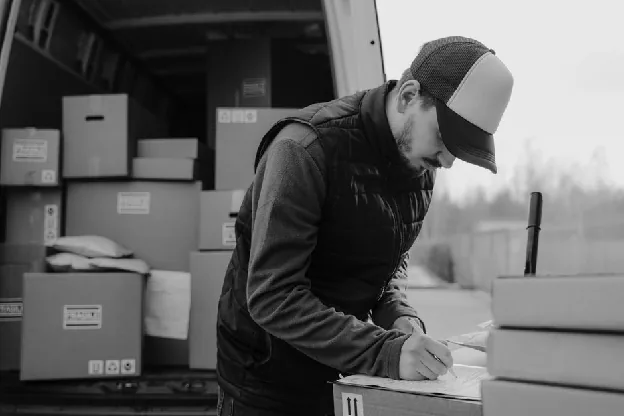
*Photo by Tima Miroshnichenko on Pexels*
Buyers who build quality control inspections into their standard supplier quality management process rarely get surprised at this stage — the failure, when it happens, was usually visible days earlier.
Troubleshooting: Common Shipment Readiness Failures
Even with a solid process, things go wrong. Here's what to watch for.
- Inspector reports "pass" but the client finds defects on arrival. Usually a sampling problem — cartons weren't pulled randomly, or the inspector checked units the factory pre-selected. Fix: require photo evidence of random pallet selection, not just a summary report.
- Defect counts differ between the factory's internal check and the third-party inspection. This almost always comes down to different AQL levels or defect definitions being used. Fix: lock the AQL level and defect classification in writing before production starts, not on inspection day.
- Packaging passes but the shipment gets held at customs. Typically a labeling or documentation mismatch, not a product issue. Fix: add a dedicated labeling and carton-marking check as its own line item, separate from product QC.
- Inspection scheduled too late to allow rework. The factory reported completion late, or the booking got confirmed without confirming production status first. Fix: request a production-progress photo update at 70% completion, then schedule inspection off that — not off the factory's promised date.
Frankly, most pre-shipment failures trace back to timing or documentation, not the product itself. Fixing those two things first will resolve the majority of shipment holds before they ever happen. Teams that want a repeatable framework for this should check the sourcing guides on the ChinaSource blog, and buyers ready to set up inspection coverage on an upcoming order can request a quote directly.
Bottom line: a pre-shipment inspection only works if the sampling plan, timing, and documentation are locked down before the inspector ever touches a carton. Get those three right, and bulk defects get caught on the factory floor — not in a customer's inbox.