
How to Avoid Customs Delays with HS Codes?

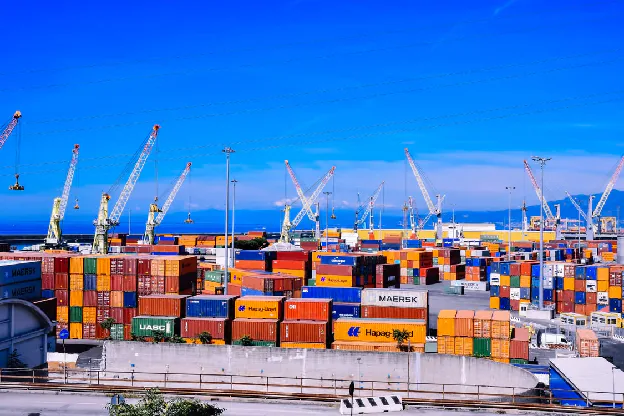
A container sits at the port. The paperwork looks fine. Then customs flags the shipment, and nobody can say why — until someone checks the HS code on the commercial invoice. It's wrong. Not a typo, just the wrong classification entirely. Now the buyer's product is stuck, the retail launch date is slipping, and the importer is staring at a demurrage bill that grows by the day.
This happens more often than most buyers expect. An HS code — short for Harmonized System code — is the numeric tag that tells customs authorities what a product actually is, and it drives duty rates, admissibility, and inspection risk. Get it wrong, and the shipment doesn't just get delayed. It gets expensive.
The Problem
Here's the deal: customs delays rarely come from a single dramatic error. They come from small classification mismatches that snowball once a shipment hits the border.
Shipments Stuck in Limbo
A misclassified product triggers a customs hold while officers verify what's actually inside the box. That hold can run days or weeks, depending on the port and the item. During that window, storage and demurrage fees accrue — and those fees are rarely cheap.
The Financial Fallout
Under 19 U.S.C. § 1592, U.S. Customs and Border Protection can assess penalties for negligent misclassification up to the full domestic value of the merchandise, and up to the value plus unpaid duties for fraud. Add typical container demurrage and detention charges — often $150 to $300 per container per day once free time expires, per Federal Maritime Commission guidance on detention and demurrage — and a small paperwork error becomes both a costly customs delay and a five-figure problem fast.
That's not a rare worst case. It's a predictable outcome of sloppy classification.
Why It Happens
Classification errors rarely come from one bad decision. They usually stack up across three weak points in the supply chain.
Misclassification at the Factory Level
Factories aren't customs brokers. Many suppliers apply the same HS code they've always used, regardless of small design or material changes. A textile blend shifts from 60% cotton to 55% polyester, and suddenly the correct chapter in the Harmonized System changes — but nobody updates the paperwork.
Outdated or Overly Broad Tariff Lookups
Tariff schedules get revised. The World Customs Organization updates the global Harmonized System nomenclature roughly every five years (WCO HS overview), and individual countries layer their own tariff schedules on top. A code that was accurate two years ago might now sit in a different subheading, with a different duty rate attached — and an outdated code is one of the fastest ways to trigger a customs delay.
Inconsistent Descriptions Across Documents
Invoice says one thing. Packing list says another. Bill of lading says a third. Customs software flags mismatches automatically, and once flagged, the shipment goes into manual review — which is slow, by design.
Quick summary of where these errors tend to originate:
| Root Cause | Where It Starts | Typical Fix Time |
|---|---|---|
| Factory reuses old HS code | Supplier production floor | 3–7 days |
| Tariff schedule update missed | Broker or importer records | 1–3 days |
| Document mismatch (invoice vs. packing list) | Export documentation | 2–5 days |
*Photo by Pixabay on Pexels*
The Fix: Getting Your HS Code Classification Right
Fixing a classification problem isn't complicated. It just takes discipline and the right sequence.
Step 1: Classify Before You Ship, Not After
Classify the product before production finishes, not after it's sitting on a dock. Use the product's actual composition, function, and intended use — not what it resembles. A silicone kitchen tool and a silicone toy can look nearly identical and still fall under completely different chapters.
Step 2: Cross-Check Against the Official Tariff Schedule
For U.S.-bound goods, verify the code against the Harmonized Tariff Schedule maintained by the U.S. International Trade Commission (HTS search tool). Don't rely on memory or a supplier's word. Codes carry duty rates, and duty rates change.
Step 3: Align Every Document Before Departure
Invoice, packing list, and bill of lading need to match, word for word on the product description and code. This is where third-party quality management and inspection support earns its keep — someone independent checking the paperwork against the physical goods before the container leaves the factory.
A short checklist worth running before every shipment:
- Confirm the HS code against the product's final bill of materials.
- Match the code to the destination country's current tariff schedule.
- Verify invoice, packing list, and customs declaration all use identical wording.
- Flag any product with recent material or design changes for reclassification.
- Keep a written classification rationale on file — customs can ask for it.
Not glamorous work. But it's the difference between a smooth clearance and a two-week hold.
How to Avoid Repeat Customs Delays
Fixing one bad shipment doesn't fix the system. Prevention means building classification checks into the sourcing process itself, not bolting them on after the fact.
Buyers who avoid repeat delays tend to do a few things consistently:
- Standardize HS codes across every SKU at the sourcing stage, before OEM or ODM production starts.
- Require suppliers to flag material or spec changes that could shift classification.
- Run pre-shipment quality control inspections that include a documentation review, not just a physical check.
- Choose Incoterms — DDP, CPT, FOB — with clear ownership of who handles customs filing at each leg.
Building this into supply chain coordination from day one costs far less than untangling a customs delay at the port. For deeper guidance on classification and shipping documentation, our dedicated sourcing Agent helps buyers navigate regional trade nuances that commonly confuse first-time importers.
*Photo by Godfrey Atima on Pexels*
When to Bring in Help
Some classification issues are simple fixes. Others aren't. If a product line spans multiple tariff chapters, or if a factory keeps reusing an outdated code despite corrections, it's time to bring in a team that manages this daily.
A licensed customs broker or a sourcing partner with in-country quality management and logistics coordination can catch mismatches before they ever reach a port official. That's the real value — catching the error in the factory, not at the border, where fixing it costs ten times more.
ChinaSource can assist in verifying supplier qualifications and aiding in the selection of B2B logistics. Buyers in the consumer electronics, apparel, or packaged goods industries can directly connect through our website to avoid errors.
Confirming Your Code Before Departure to Avoid Customs Delays
Before a shipment leaves the factory, confirm the assigned code against the destination country's current tariff schedule. Search the U.S. CBP Rulings Online Search System (CROSS) for prior rulings on similar goods. If no clear match exists, request a binding ruling from customs before production finishes, not after the container is booked. A binding ruling locks in the classification and removes the guesswork that leads to delays. Share the confirmed code with the factory, the freight forwarder, and the customs broker at the same time, so every document lists an identical description and code. This single step closes the gap where most preventable customs delays start.
Key Takeaways
Getting the HS code right isn't paperwork trivia. It's the single biggest lever for avoiding customs delays, unexpected duty bills, and demurrage charges that eat into margin. Classify early, verify against the current tariff schedule, keep documents consistent, and build the check into your sourcing workflow — not as an afterthought after the shipment's already stuck.
Simple as that. Skip these steps, and the cost shows up later, usually bigger than expected.